Real Results for
Real Businesses
See how we've helped ambitious founders and growing businesses transform their operations with exceptional technology.
Inspect360.AI
Challenge:
The client was struggling with the same problems across their BTR sites:
Inspections were slow and inconsistent
Photos and evidence were scattered everywhere
Disputes were constant and hard to defend
Negative reviews were damaging reputation
Managers had no real visibility of inspection progress
Void periods increased because reports took too long
They knew their inspection process was costing them revenue and credibility.
Outcome:
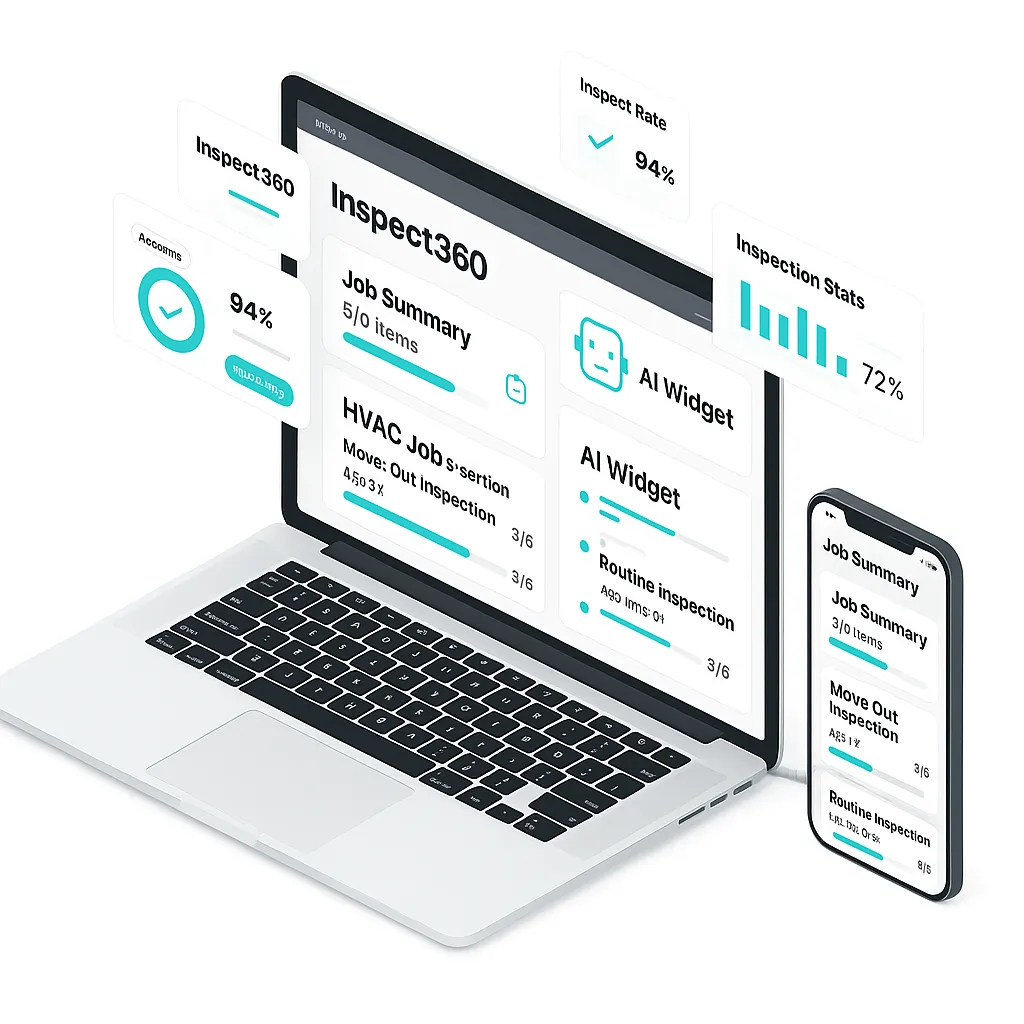
Inspect360 was created directly from these issues.
Once implemented:
Inspections became fast and standardised
Evidence was centralised and dispute-proof
Complaints dropped and reputation improved
Managers had full oversight across every unit
Turnaround time sped up, reducing voids
Inspect360 turned a messy, manual workflow into a clean, defensible, and efficient process.
+120%
Deal Velocity
+35%
Win Rates
+95%
Client Retention
+40%
Team Productivity
Smart Plan
Challenge:
The HVAC engineering firm faced the same recurring problems when working with multisite clients like restaurants, retail chains, and commercial buildings:
Service quotes were slow and inconsistent across engineers
No centralised database of equipment, service tasks, or accurate service times
Engineers relied on old spreadsheets and guesswork for task durations
Clients felt in the dark — quoting lacked transparency and detail
Collaboration between engineers and clients was messy and unstructured
Winning large multisite contracts was difficult because proposals lacked clarity
Too much time was wasted building proposals instead of delivering work
They realised their quoting and maintenance planning process was stopping them from closing bigger deals and scaling.
Outcome:
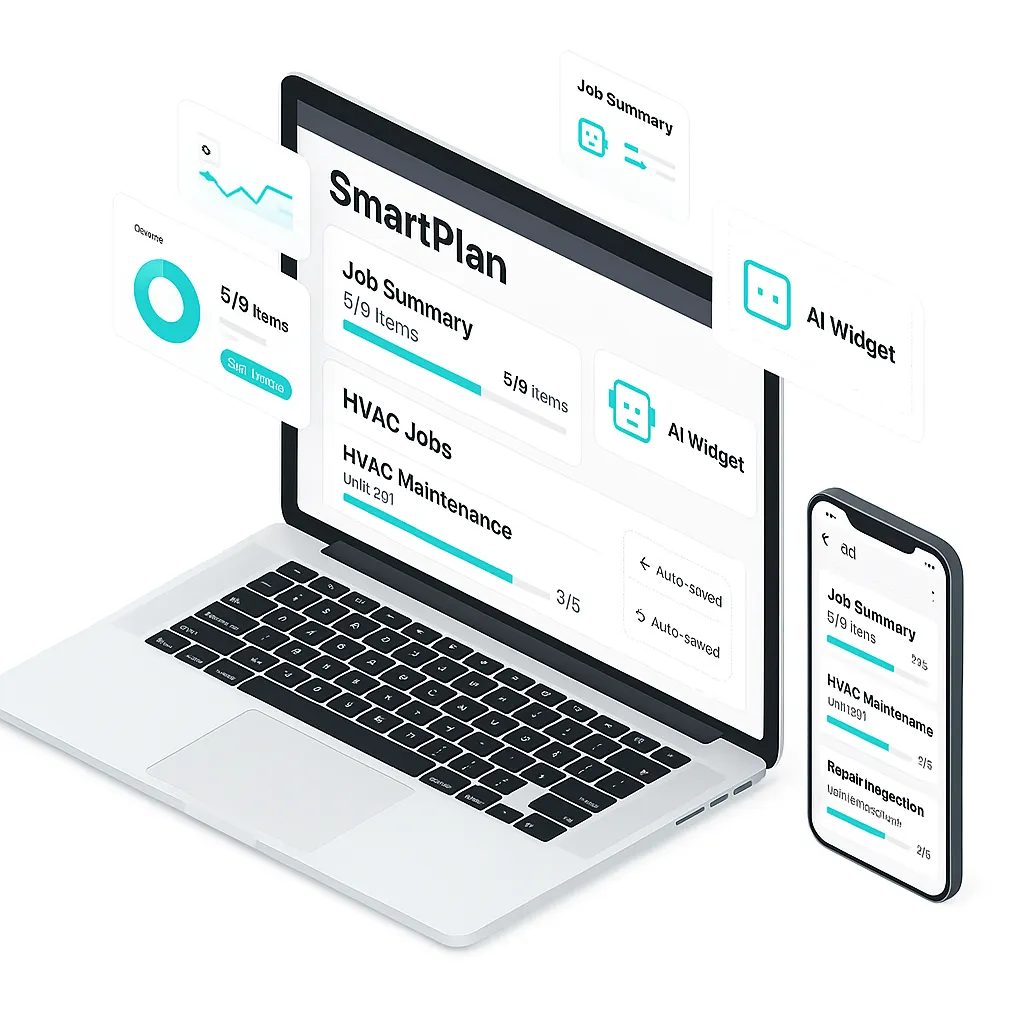
Smart Plan was built to fix these exact issues.
Once implemented:
Quotes became fast, consistent, and professional
Engineers pulled service tasks and times from one central master database
AI generated missing task times for equipment not yet listed
Clients and engineers collaborated clearly in one shared platform
Equipment, materials, subcontractors, rentals, and service tasks were mapped per site
Proposals became detailed, transparent, and easy for clients to approve
Win rates for multisite contracts increased because trust and clarity improved
Smart Plan transformed a slow, guess-heavy quoting process into a clean, accurate, collaborative system that helped close more deals.
+80%
Faster Quoting Speed
+42%
Increase In Closed Contracts
+68%
Reduction in Quote Revisions
+55%
Productivity Lift
XAct Platform
Challenge:
Onnec Group operates across multiple countries, delivering complex managed services to enterprise clients who demand speed, transparency, and consistent performance. Before Xact, they were held back by:
Fragmented service delivery processes across regions
No unified system to track projects, time, rates, or global SLAs
Manual reporting that couldn’t keep up with enterprise expectations
Limited visibility for clients into work completed across sites
Difficulty coordinating teams across multiple countries
Slow turnaround on project updates and service orders
Inconsistent customer experience due to disconnected tools
They needed a single platform that could standardise operations internationally and give clients full confidence in their service delivery.
Outcome:
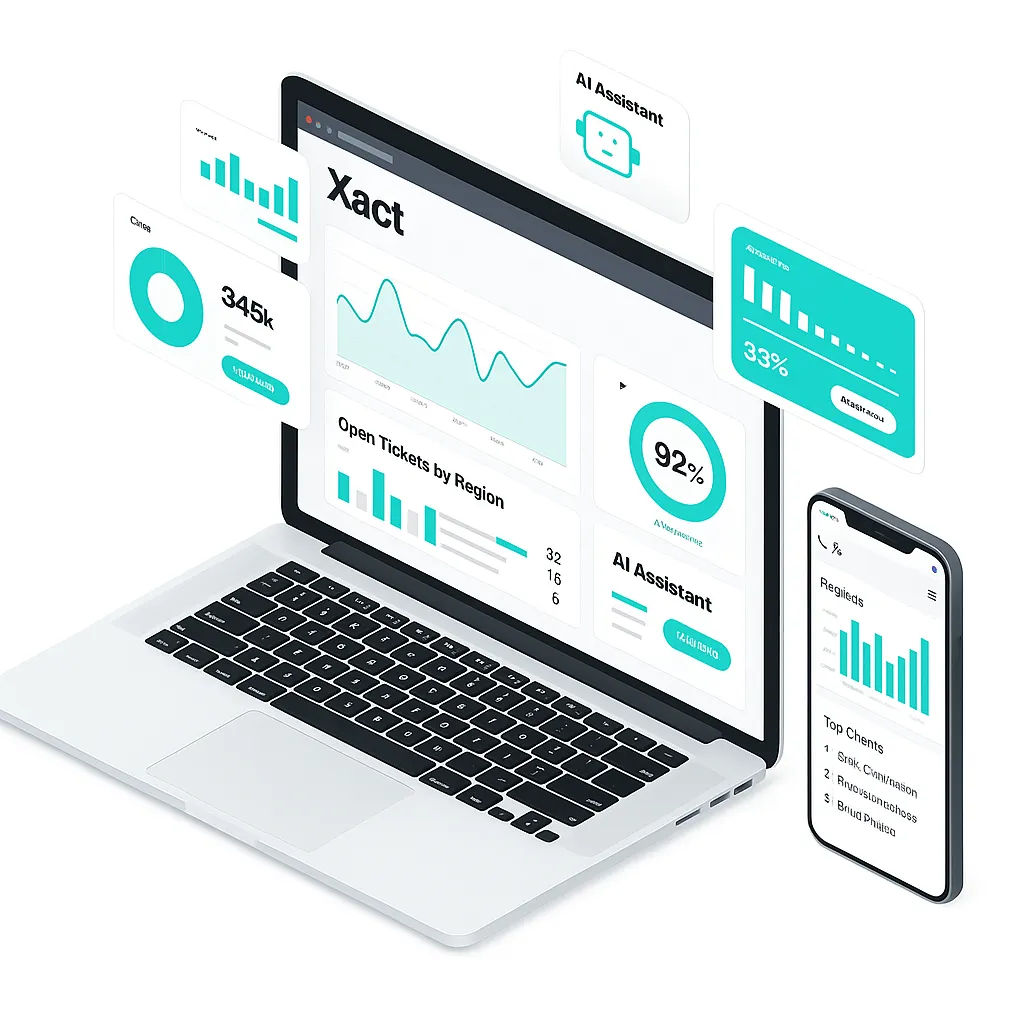
Xact became the backbone of Onnec Group’s global service operation.
Once implemented:
Service delivery was standardised across all countries
Clients gained full visibility into work orders, SLAs, and project progress
Engineers logged time, updates, and site information directly into the platform
Reporting became instant, accurate, and enterprise-ready
Global consistency improved — same process, same experience, any region
Project managers coordinated work seamlessly across borders
Onnec strengthened long-term contracts due to higher transparency
Xact enabled Onnec to deliver a polished, reliable, and scalable service experience for global clients for over 15 years.
+70%
Operational Efficiency
+60%
Client Transparency Improvement
+45%
Faster Client Request Turnaround
+90%
Contract Renewal Rate
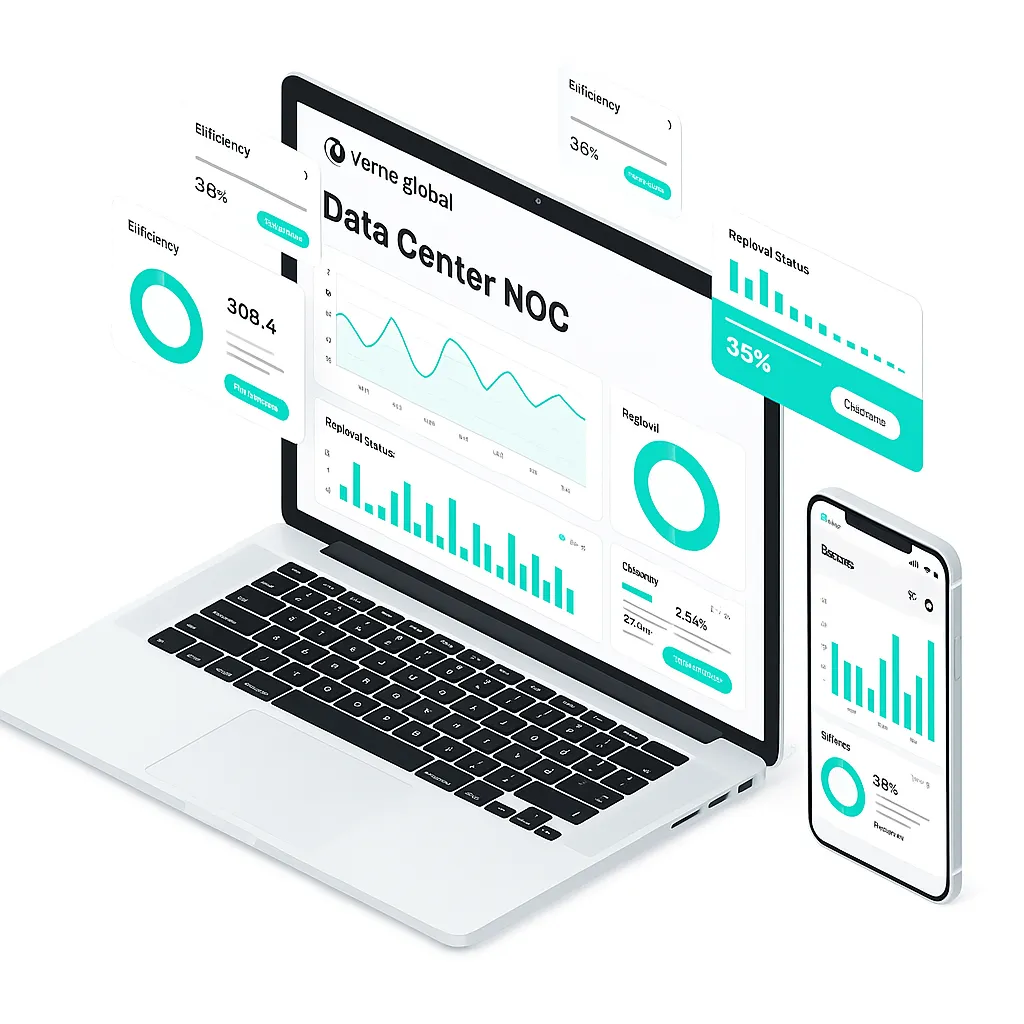
Verne Global
Challenge:
Verne Global runs high-risk, mission-critical data centres where security and control are non-negotiable.
Before the new CRM/portal, operations were exposed to risk:
NOC and customers relied on email and phone for access requests
No single system for check-in / check-out of visitors and engineers
Deliveries, permits, and escorts were tracked in spreadsheets and inboxes
Connectivity records and rack allocations were scattered across tools
Service desk tickets weren’t tied to access events or rack locations
Audit trails for “who was in the building, when, and why” were fragile
Security teams had to chase information instead of enforcing policy
In an environment where one mistake can shut down critical workloads, this level of fragmentation was a serious risk.
Outcome:
You built a dedicated CRM and portal that sits between the NOC and customers as the single interface for access and operations.
Once implemented:
All access control (check-in, check-out, permits, escorts) moved into one secure workflow
Customers requested visits, deliveries, and work permits directly via the portal
Security and NOC teams saw a live list of everyone on-site and expected arrivals
Every visit, delivery, and permit generated a full audit trail for compliance
Service desk tickets, racks, and connectivity records were linked in one system
NOC could instantly see which customer, rack, and circuit a ticket related to
Customer confidence increased because the process felt controlled, professional, and secure
The portal turned a high-risk, email-driven process into a structured, auditable, and secure operating model for data-centre access.
+90%
Faster Visitor Processing
+100%
Logged and Auditable Site Access
-60%
Reduction in Access-Related NOC Calls
-45%
NOC Productivity Uplift
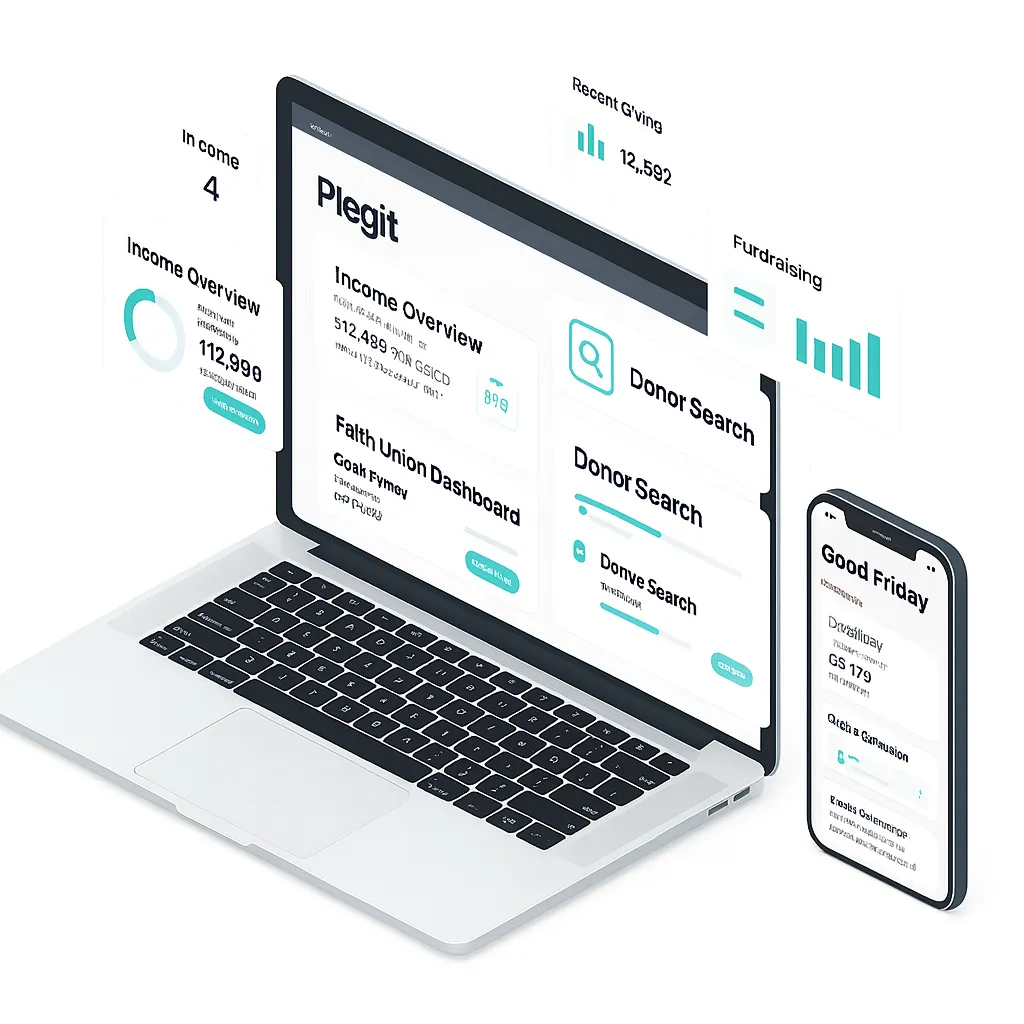
Plegit AI
Challenge:
Most churches and faith-based organizations inside the Faith Union network faced the same operational problems:
Donations were scattered across envelopes, WhatsApp messages, bank slips, and outdated giving tools
Donor records were incomplete or missing, making follow-up almost impossible
Trustees struggled to prepare annual reports for regulatory bodies because data lived in multiple systems
Fundraising campaigns had no structure, no visibility, and no reporting
Bluetooth card machines and kiosks were expensive and rarely used
Churches relied heavily on local donors and had no way to reach supporters outside their city or country
Livestream giving was impossible because donations couldn’t be captured while services were broadcast
There was no central source of truth for donations, events, campaigns, or donor engagement
Faith Union needed a platform they could roll out to thousands of ministries - one that was simple, mobile-first, and powerful enough to modernise the entire giving ecosystem.
Outcome:
Plegit became Faith Union’s official digital giving and donor CRM, transforming how ministries manage donations, fundraising, livestreams, and donor engagement.
Once implemented:
Churches launched QR-code giving, removing the need for expensive hardware
Donors gave from anywhere in the world — instantly, securely, and with full transparency
All donor data was centralised, structured, and accessible in real time
The Analytics Dashboard helped pastors understand giving patterns and campaign performance
The Plegit Chatbot allowed donors and admins to check information instantly
Peer-to-peer fundraising opened massive new reach, allowing supporters to raise money on behalf of the church
Livestreams connected donations directly to YouTube Live events, boosting engagement
Year-end reporting became effortless because all data lived in one compliant system
Faith Union could monitor the entire network through its Organisation → Tracker → Church architecture
Plegit helped ministries run like modern organisations - organised, data-driven, and equipped to reach supporters far beyond their walls.
+140%
Increase In Digital Giving
+72%
Improved Donor Data Accuracy
+65%
Reduction in Admin Time
+90%
Pastor Satisfaction Rate
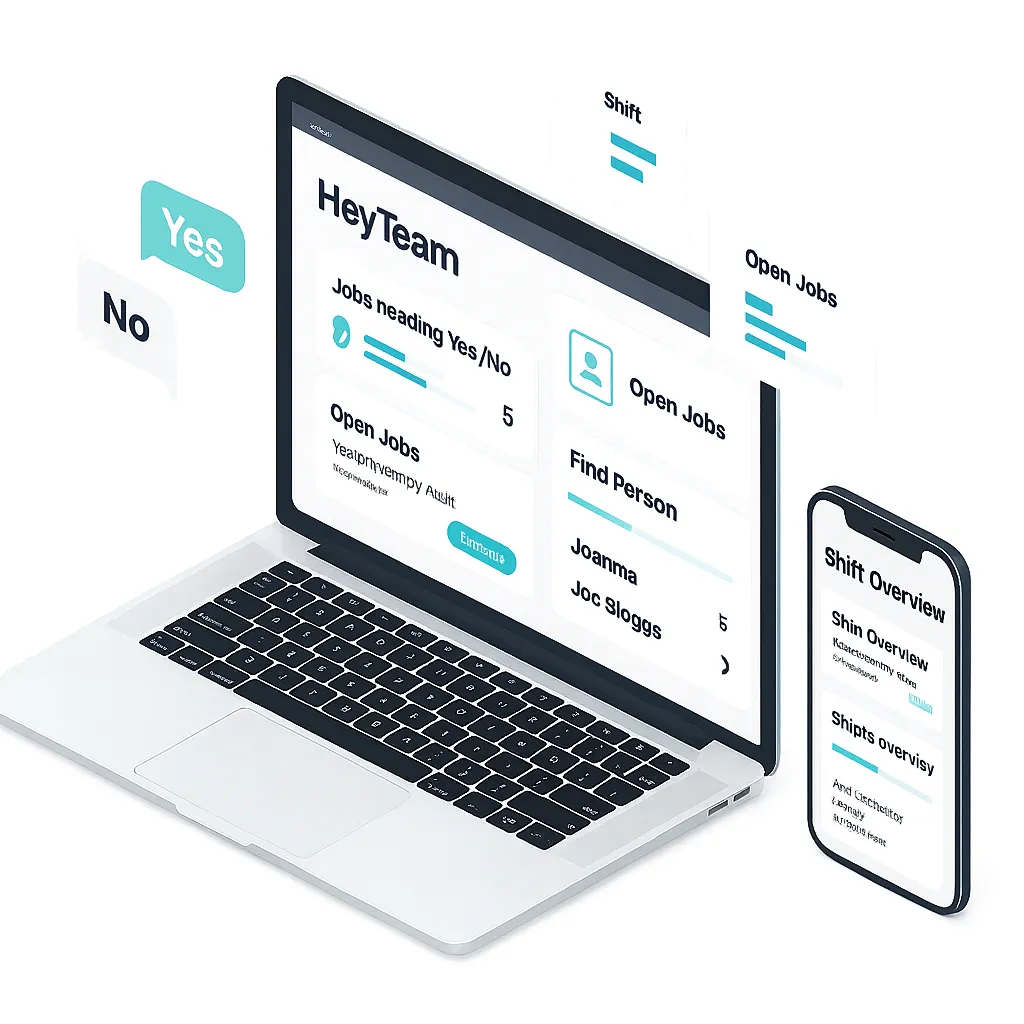
HeyTeam
Challenge:
A large multi-site cleaning & security company struggled daily with workforce chaos across 60+ client locations.
Their operations team faced the same problems every day:
Staff availability was inaccurate because everything lived in WhatsApp chats
Schedulers spent hours calling around to fill shifts
No-shows caused customer complaints and contract risk
Reassignments were slow because no one knew who was free, nearby, or compliant
Rotas changed constantly, confusing staff and frustrating managers
Paper-based compliance checks made it impossible to track expiring documents
There was no real-time visibility of where people were or which sites were understaffed
Managers couldn’t scale because operations relied on humans firefighting the rota all day
In short: coordination didn’t scale, people did — and they were burning out.
Outcome:
HeyTeam centralised the entire workforce coordination process into one AI-powered platform.
After implementing HeyTeam:
Staff updated availability instantly via the app — no chasing
AI matched the right person to the right job based on skills, compliance, and location
SMS/WhatsApp alerts replaced endless phone calls
No-shows dropped because HeyTeam filled gaps automatically
Managers saw real-time availability and shift status across all sites
Staff received clear instructions, reducing confusion and last-minute questions
Compliance became automated — expired documents triggered alerts
Ops teams finally stopped firefighting and started managing
HeyTeam turned a constant operational headache into a fast, clear, and scalable scheduling system.
+78%
Faster Shift Assignment
+55%
Reduction in No-Shows
+62%
Increase in Staff Response Rates
+48%
Ops Productivity Improvement
The first step is a 30-minute conversation.
No slides. No sales pitch. Just a clear view of whether AI can meaningfully help your business — and what it would look like if we did it together.

Creative Cloud modernises outdated systems and builds fully managed B2B platforms that improve efficiency, enhance customer experience, and unlock scalable growth.
© Copyright 2026 Creative Cloud Limited All Rights Reserved.